Training Clickers: Enhance Your Dog Training Experience
Key Takeaways
- Training clickers are effective tools that aid in positive reinforcement training methods.
- Different types of clickers offer various features to suit different training needs.
- Consistency in using a clicker can significantly improve communication with your dog.
- Combining clickers with treats can enhance learning efficiency.
Training your dog can be a rewarding experience, especially when you have the right tools at your disposal. One such tool is the training clicker, a small device that makes a distinct sound to mark desired behaviors in your dog. This article explores the various types of training clickers, their uses, and the benefits they bring to dog training routines.
What is a Training Clicker?
A training clicker is a handheld device that produces a clicking sound when pressed. It serves as a marker for dogs, indicating that they have performed a desired behavior. This method falls under positive reinforcement training, which has been proven to be effective in teaching new commands and behaviors.
Types of Training Clickers
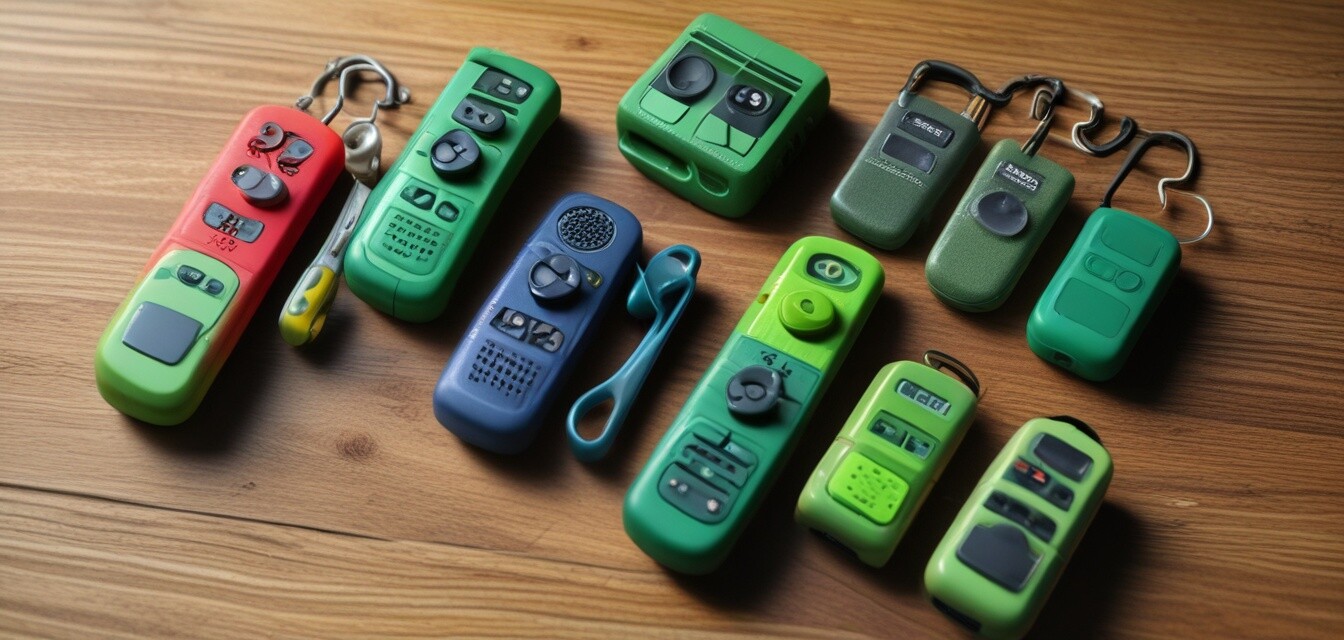
There are several types of training clickers available, each with unique features tailored to different training needs. Below is a breakdown of common types:
| Type of Clicker | Features | Best For |
|---|---|---|
| Standard Clicker | Simple design, loud click sound | Basic training, general use |
| Finger Clicker | Fits on your finger, quieter sound | Training in quiet environments |
| Electronic Clicker | Adjustable volume, various sounds | Dogs sensitive to loud noises |
| Clicker with Wrist Strap | Hands-free use, easy access | Active training sessions |
Benefits of Using Training Clickers
Using a training clicker in dog training sessions comes with numerous benefits:
- Clear Communication: The click sound clearly indicates the exact moment your dog has performed the desired behavior, enhancing understanding.
- Improved Focus: Dogs tend to focus more when they hear the click, as they associate it with positive outcomes.
- Encourages Positive Behavior: Clickers can be used to reinforce good behavior, making training a positive experience for your dog.
- Versatile: Clickers can be used for various training methods, from basic commands to complex tricks.
How to Use a Training Clicker
To effectively utilize a training clicker, follow these steps:
- Introduce the Clicker: Let your dog get familiar with the sound by clicking it and immediately giving a treat.
- Mark the Behavior: Click when your dog performs a desired behavior, followed by a treat.
- Repeat: Consistently practice this method to reinforce the connection between the click and the reward.
- Gradually Fade the Treats: Once your dog understands, start reducing the frequency of treats while maintaining the click.
Common Mistakes to Avoid
When using a training clicker, it's essential to avoid some common pitfalls:
- Inconsistent clicking can confuse your dog; always click at the exact moment of the desired behavior.
- Failing to immediately follow the click with a treat can disconnect the behavior from the reward.
- Using the clicker in a negative context can create fear; always use it positively.
Comparison of Popular Training Clickers
Here’s a quick comparison of popular training clickers available in the market:
| Clicker Model | Sound Type | Volume Control | Additional Features |
|---|---|---|---|
| Standard Clicker 1 | Loud click | No | Durable design |
| Adjustable Clicker 2 | Medium click | Yes | Wrist strap included |
| Electronic Clicker 3 | Varied tones | Yes | Multiple sound options |
| Finger Clicker 4 | Soft click | No | Compact design |
Training Clicker Tips for Beginners
Beginner Tips
- Start training in a quiet environment to minimize distractions.
- Be patient and practice regularly for better results.
- Ensure your dog is in a good mood and ready to learn.
- Gradually introduce new commands after mastering the basics.
Conclusion
Training clickers are invaluable tools for enhancing dog training experiences. By understanding the different types of clickers and their benefits, you can select the best option for your training needs. Remember to practice consistently and maintain a positive atmosphere during training sessions to achieve the best results.
Pros
- Enhances communication between the trainer and dog.
- Encourages positive reinforcement and learning.
- Versatile tool suitable for various training methods.
Cons
- Can confuse dogs if not used consistently.
- Requires practice to master effective use.
If you're interested in exploring more about training tools, check out our sections on Training Books & Guides and Training Clickers & Whistles. For those looking for interactive options, visit our page on Interactive Toys. Learning how to effectively use training clickers can transform your dog training experience into an enjoyable bonding activity.