Guided Training Programs
Key Takeaways
- Guided training programs are essential for effective dog training.
- Different tools and methods cater to various dog types and training goals.
- Consistency and patience are key for successful training outcomes.
- Interactive tools enhance bonding between you and your dog.
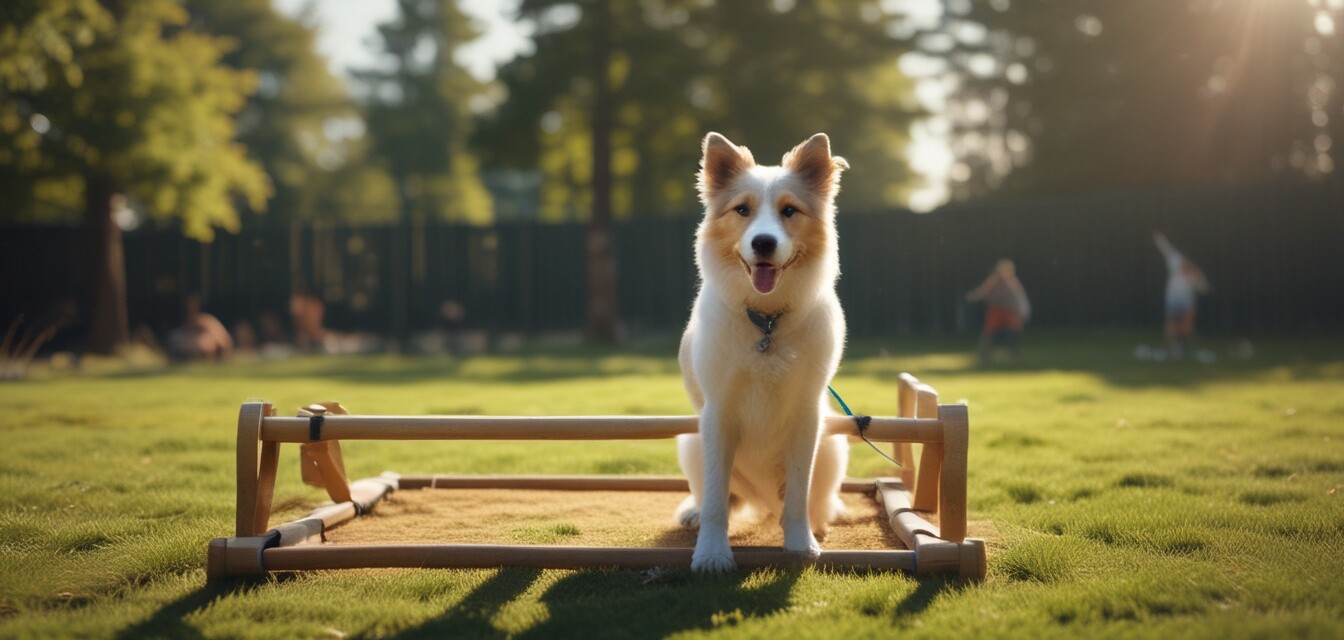
Training your dog is a rewarding journey that not only enhances their behavior but also strengthens the bond between you and your furry friend. Guided training programs offer structured approaches tailored to various needs and types of dogs. Whether you are looking to teach basic commands, improve agility, or address behavioral issues, there is a program designed to meet those needs.
Understanding Guided Training Programs
Guided training programs typically include a combination of techniques, tools, and resources aimed at helping dog owners effectively train their pets. Let's explore the different types of guided training programs available:
| Program Type | Description | Best For |
|---|---|---|
| Basic Obedience Training | Focuses on teaching fundamental commands like sit, stay, come, and heel. | New dog owners and puppies. |
| Agility Training | Involves teaching dogs to navigate obstacle courses, enhancing physical and mental stimulation. | Active dogs and those looking for a fun challenge. |
| Behavioral Training | Addresses specific behavioral issues such as barking, chewing, or anxiety. | Dogs with behavioral challenges. |
| Interactive Training Tools | Utilizes toys and gadgets that engage dogs and make learning fun. | All dogs, especially those needing extra motivation. |
Types of Guided Training Programs
1. Obedience Training
Basic obedience training is the foundation of good behavior in dogs. It helps establish rules and boundaries, ensuring that your dog understands what is expected of them.
2. Agility Training
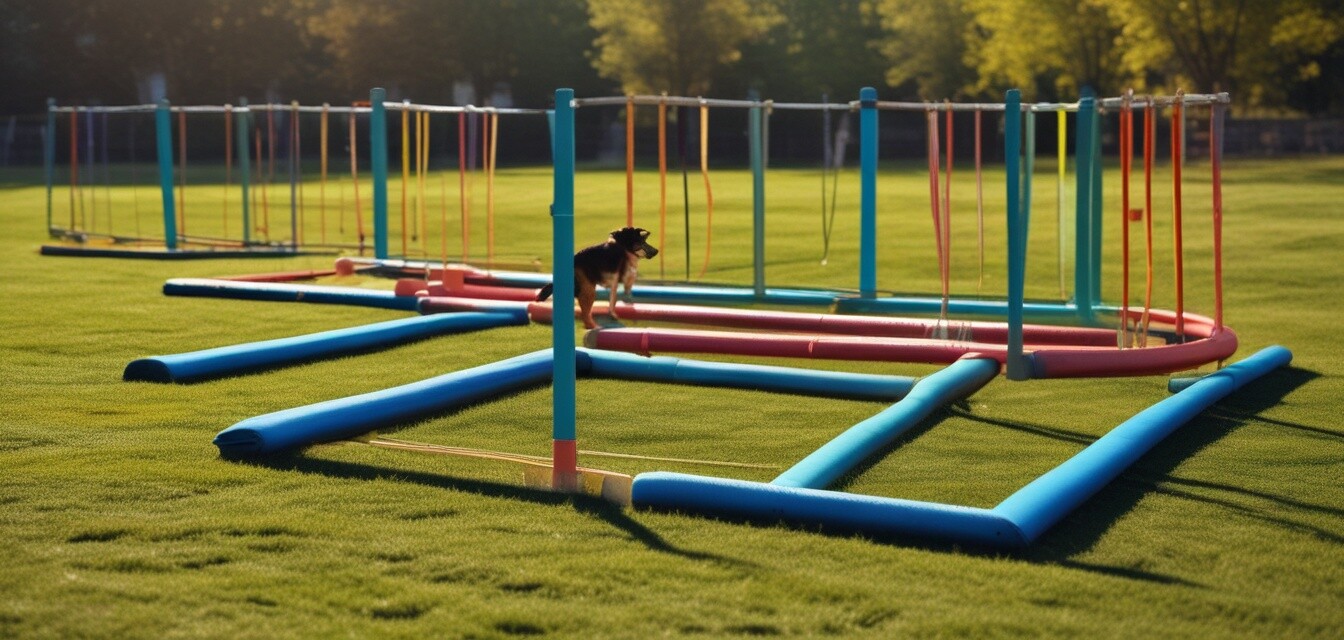
Agility training is not just for competitive dogs; it can be a great way for any dog to exercise and have fun. This type of training involves navigating through various obstacles and challenges.
3. Behavioral Training
Behavioral training focuses on correcting unwanted behaviors. It requires patience and consistency but can lead to significant improvements in your dog's temperament.
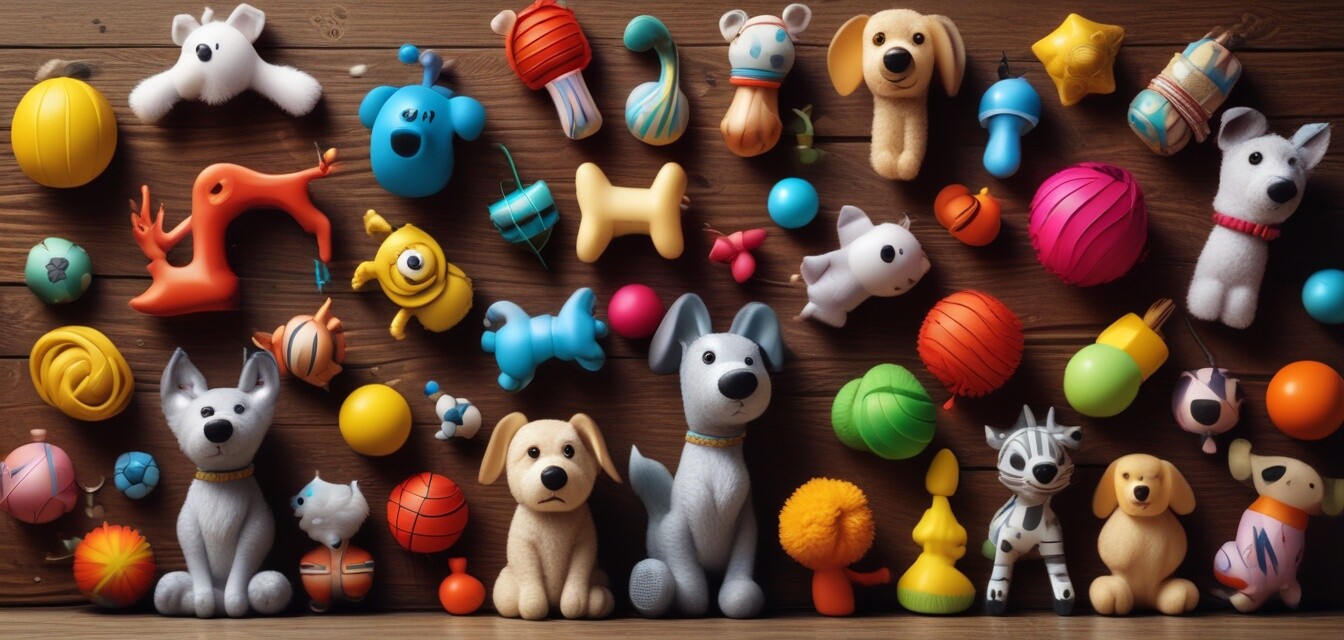
4. Interactive Tools
Interactive toys and training tools engage a dog's mind, making learning enjoyable. These tools can be especially helpful for high-energy dogs that require additional stimulation.

Top Tools for Guided Training Programs
Here are some essential tools that can complement your guided training programs:
- Clickers: Useful for positive reinforcement during training.
- Treat pouches: Handy for carrying treats during training sessions.
- Agility equipment: Cones, tunnels, and jumps for agility training.
- Training books: Guides that provide in-depth knowledge and techniques.
Benefits of Guided Training Programs
Engaging in guided training programs comes with a plethora of benefits:
| Benefits | Description |
|---|---|
| Enhanced Bonding | Training helps strengthen the relationship between you and your dog. |
| Improved Behavior | Well-trained dogs are usually well-behaved dogs. |
| Mental Stimulation | Training challenges your dog's mind, reducing boredom and destructive behaviors. |
| Socialization | Training in groups exposes dogs to new experiences and other dogs. |
Internal Resources for Further Learning
For more detailed insights on specific training topics, check out our other pages:
- Agility Equipment - Explore various tools that can enhance your dog's agility training.
- Interactive Toys - Discover toys that keep your dog engaged and learning.
- Leashes & Harnesses - Find the best gear for training sessions.
- Training Books & Guides - Access expert advice and techniques for training.
- Training Clickers & Whistles - Learn how these tools can enhance your training sessions.
Conclusion
Guided training programs offer a structured and effective way to train your dog, regardless of their age or breed. By utilizing the right tools and techniques, you can foster a strong bond and ensure your dog becomes a well-mannered companion. Remember, patience and consistency are key, so start your training journey today!
Pros
- Structured approach to training.
- Enhances the dog-owner relationship.
- Various programs cater to different needs.
- Interactive tools make learning fun.
Cons
- Requires time and commitment.
- Some tools can be expensive.
- May not address all behavioral issues.
Tips for Successful Dog Training
- Always use positive reinforcement.
- Be consistent with commands and rewards.
- Keep training sessions short and engaging.
- Be patient and understanding of your dog's learning process.