Socialization Tools
Key Takeaways
- Socialization tools are essential for enhancing your dog's interaction with humans and other animals.
- Interactive toys can stimulate a dog's mind and promote positive interactions.
- Using proper leashes and harnesses ensures safe and comfortable experiences during socialization.
- Training books and guides offer valuable insights into effective socialization techniques.
Socialization is a vital aspect of dog training that influences their behavior throughout life. Using the right tools can make this process smoother and more engaging for both dogs and their owners. In this article, we will explore various socialization tools that cater to different needs and settings. From interactive toys to training resources, we're covering it all!
Why Socialization Matters
Socializing your dog can lead to a healthier and happier life. Well-socialized dogs are typically more confident, less anxious, and better behaved. Here are some reasons why early socialization is important:
- Reduces fear and anxiety in new situations.
- Improves behavior around other animals and people.
- Enhances your dog's adaptability to new experiences.
- Strengthens the bond between you and your dog.
Essential Tools for Dog Socialization
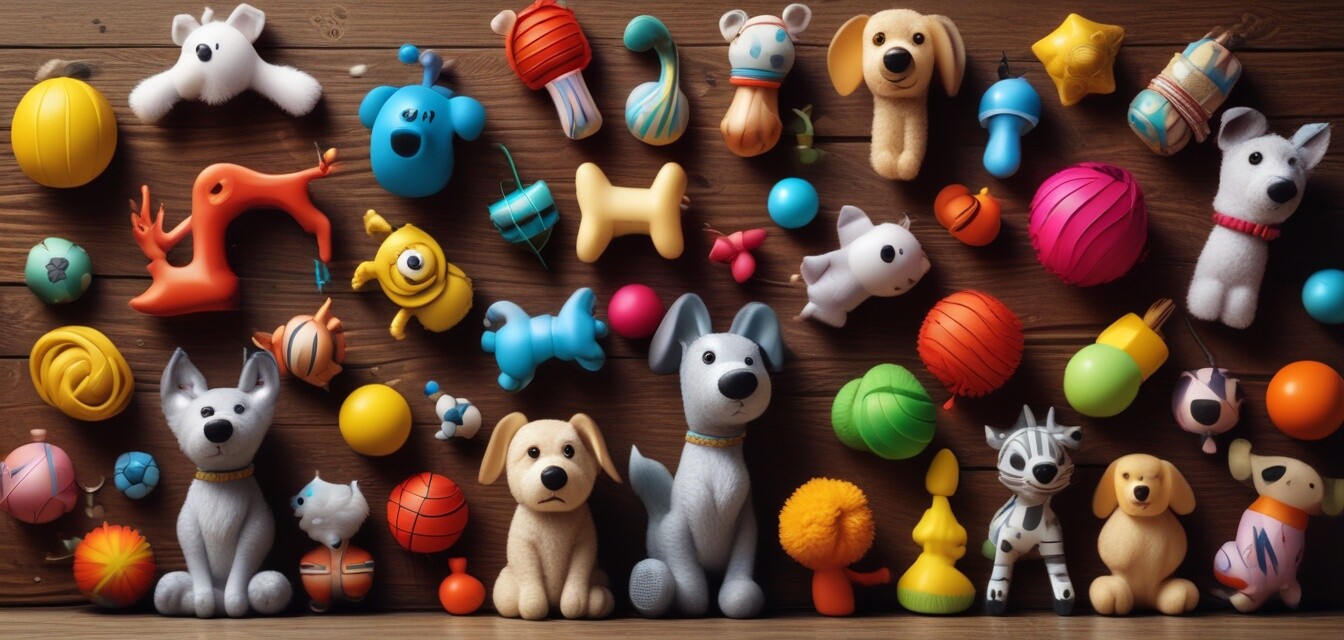
1. Interactive Toys
Interactive toys are designed to stimulate your dog's mind and encourage play. They foster engagement and can be a great way to introduce your dog to new environments or other dogs:
| Type of Interactive Toy | Description | Benefits |
|---|---|---|
| Puzzle Toys | Dogs can solve these puzzles to access treats. | Enhances problem-solving skills and keeps them entertained. |
| Fetch Toys | Toys designed for throwing and fetching. | Encourages physical activity and interaction with others. |
| Chew Toys | Durable toys made for chewing. | Can help reduce anxiety and destructive behavior. |
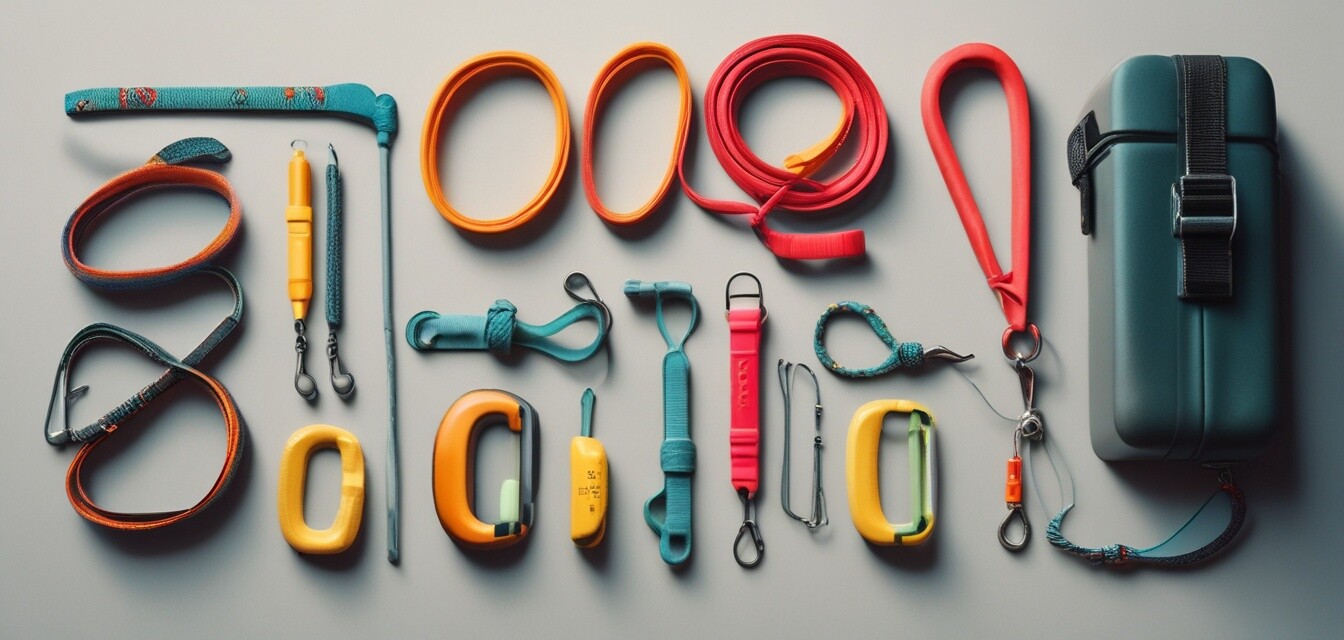
2. Leashes and Harnesses
Choosing the right leash and harness is crucial for socializing your dog safely. A good harness helps in controlling your dog while ensuring comfort:
| Type | Pros | Cons |
|---|---|---|
| Standard Leash | Easy to use, good for training. | May not give enough control for larger dogs. |
| Adjustable Leash | Allows for variable lengths to suit the situation. | Can become tangled if not managed properly. |
| Harness | Offers more control and comfort. | Can be challenging to put on correctly. |
3. Training Clickers and Whistles
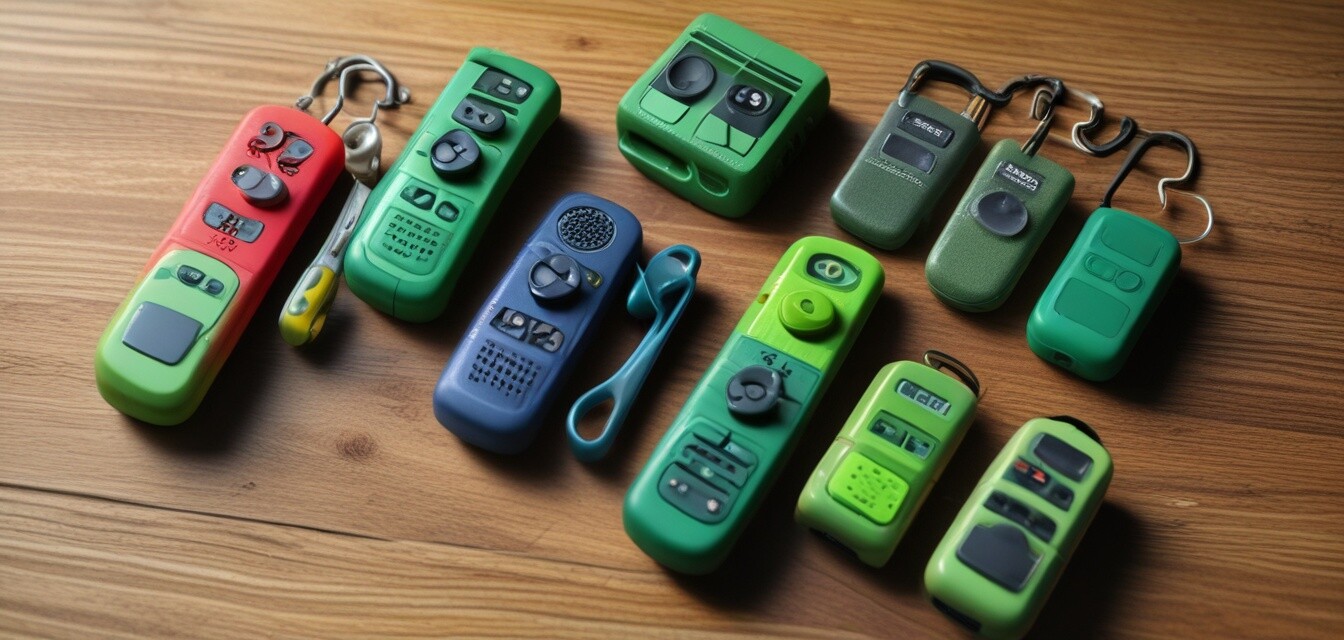
Clickers and whistles are excellent tools for training. They offer a way to communicate with your dog effectively:
- Clicker Training: Helps in reinforcement of positive behaviors.
- Whistles: Useful for getting your dog's attention from a distance.
4. Treat Bags and Pouches
Having treats readily available can motivate your dog during socialization sessions. Treat bags and pouches help maintain easy access:
- Look for options that are easy to open with one hand.
- Choose bags that securely hold various treat sizes.
5. Training Books and Guides
Understanding the theory behind socialization can greatly enhance your methods. Training books and guides offer essential insights:
- Look for books that cover the fundamentals of dog behavior.
- Consider resources that include step-by-step training plans.
How to Use Socialization Tools Effectively
It's important to use these tools in a structured and positive manner. Here are some tips:
Tips for Beginners
- Start Socialization Early: Begin exposing your dog to different environments and experiences as a puppy.
- Use Positive Reinforcement: Always reward your dog for positive behavior during socialization.
- Gradual Exposure: Introduce your dog to new situations slowly, ensuring they feel safe and comfortable.
- Monitor Body Language: Pay attention to your dog’s reactions—stop if they show signs of stress.
- Be Patient: Socialization is a gradual process and may take time. Consistency is key.
Conclusion
Investing in the right socialization tools can transform your dog's interactions with the world. From engaging toys to effective training tools, these resources are vital for smooth and enjoyable experiences. For more information on various training methods and equipment, explore our other pages such as Agility Equipment, Interactive Toys, and Training Books & Guides. Your journey towards bettering your dog's social skills starts today!